
Equipment
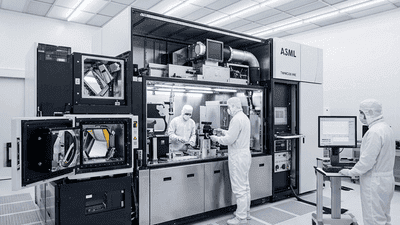
TSMC’s 20 Fabs Under Construction: The Equipment Order Pipeline
TSMC’s construction activity is becoming a defining signal for semiconductor equipment demand. When the world’s largest contract chipmaker develops multiple manufacturing projects simultaneously, the consequences extend beyond concrete, cleanrooms, and regional investment announcements. Each project creates requirements for process tools, subsystems, installation teams, and continuing service.
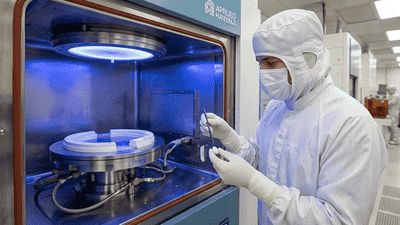
Advanced Ceramic Components in Etch and Deposition: The <10% Localization Gap
A semiconductor equipment company can assemble a competitive etch or deposition platform while remaining dependent on overseas suppliers for several of its most important internal components. The chamber carries a domestic brand, the controls are developed locally, and the process has passed customer evaluation. Yet the ceramic parts exposed to plasma, heat, and demanding chemistry may still come from a narrowly qualified supplier base.

China’s Equipment Localization Rate at 55%: The Mature Node Milestone
A semiconductor factory can become substantially more local without becoming entirely independent. Domestic etch chambers may operate alongside imported lithography systems. A locally assembled deposition tool may still rely on overseas components. An expanding packaging operation may use a different supplier mix from the wafer fab feeding it.

Ceramic Component Localization: The 10% to 30% Path
A ceramic component rarely becomes the public face of semiconductor manufacturing. It does not carry the recognition of a lithography scanner or the commercial excitement of an AI accelerator. Yet inside a process chamber or power-device package, it can determine whether equipment operates consistently and whether a finished device survives its intended conditions.

Lam Research’s Extended Lead Times: Etch and Deposition Equipment at 12 Months
A twelve-month wait for semiconductor equipment changes more than a purchasing schedule. It changes when a fab can add capacity, how customers reserve manufacturing resources, and how suppliers organize production. For etch and deposition systems, that delay can sit directly on the critical path between a technology roadmap and commercial output.

ASML’s High-NA EUV Triple Partnership: Intel, Samsung, TSMC’s Production Plans
High-numerical-aperture extreme ultraviolet lithography is moving from an engineering development into a manufacturing roadmap shared by the industry’s largest chipmakers. The transition is not happening on one schedule, however, and the commercial implications depend on recognizing those differences.
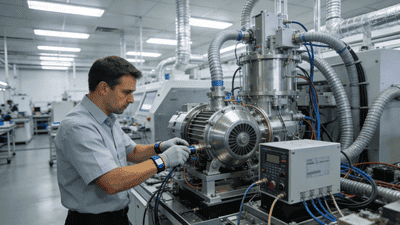
Vacuum Pump and RF Generator Shortages: The Equipment Sub-Component Bottleneck
A semiconductor production tool can be almost finished and still be commercially useless. The chamber is assembled, the automation works, and the customer has prepared an installation slot. Yet one missing vacuum pump or radio-frequency power subsystem can prevent the equipment from completing its final tests and leaving the factory.
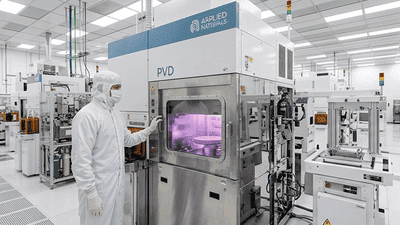
Applied Materials’ FY26 Q4 Revenue Beat: The Equipment Supercycle Evidence
Applied Materials’ fiscal 2026 fourth-quarter revenue beat cannot yet be evaluated as a completed event. As of October 9, 2026, the company’s latest reported quarter was fiscal Q3, and its investor presentation listed November 12 as the projected date for its Q4 earnings call. What exists today is a strong reported quarter and an ambitious forward outlook—not an announced Q4 result.

Equipment Order Backlog Visibility: Why 2027 Deliveries Are Already Booked
For selected semiconductor equipment suppliers, 2027 is already taking shape inside the order book. Customers are reserving systems before the delivery year begins, manufacturers are allocating production capacity, and component suppliers are preparing for schedules that extend beyond the next quarterly earnings report.

Order Visibility vs. Valuation Matching Analysis for Semi Equipment Stocks
Semiconductor equipment stocks sit at the crossroads of technology cycles and capital markets. Their revenues are tied to wafer‑fab and packaging investments, yet their valuations reflect investors’ expectations about future demand, competitive positioning, and macro risk. One of the most important lenses for understanding these stocks is the relationship between order visibility—how far into the future companies can see and quantify demand—and the valuations assigned to them.